Skip navigation

Main menu

  • What's on
  • Art & Artists
    • The Collection
      Artists
      Artworks
      Art by theme
      Media
      Videos
      Podcasts
      Short articles
      Learning
      Schools
      Art Terms
      Tate Research
      Art Making
      Create like an artist
      Kids art activities
      Tate Draw game
  • Visit
  • Shop
Become a Member
  • DISCOVER ART
  • ARTISTS A-Z
  • ARTWORK SEARCH
  • ART BY THEME
  • VIDEOS
  • ART TERMS
  • SCHOOLS
  • TATE KIDS
  • RESEARCH
  • Tate Britain
    Tate Britain Free admission
  • Tate Modern
    Tate Modern Free admission
  • Tate Liverpool + RIBA North
    Tate Liverpool + RIBA North Free admission
  • Tate St Ives
    Tate St Ives Ticket or membership card required
  • FAMILIES
  • ACCESSIBILITY
  • SCHOOLS
  • PRIVATE TOURS
Tate Logo
Become a Member
Back to Tate Modern
Free Display

Materials and Objects

Discover artists from Tate's collection who have embraced new and unusual materials and methods

  • About
  • Rooms
  • Highlights

© Meschac Gaba / Photo © Tate (Jai Monaghan)

The Materials and Objects display looks at the inventive ways in which artists around the world use diverse materials.

Increasingly over the last hundred years, artists have challenged the idea that certain materials are unsuitable for art. Some employ industrial materials and methods, while others adapt craft skills, or put the throwaway products of consumer society to new uses.

Read more

Tate Modern
Natalie Bell Building Level 4 West

Getting Here

Ongoing

Free

9 rooms in Materials and Objects
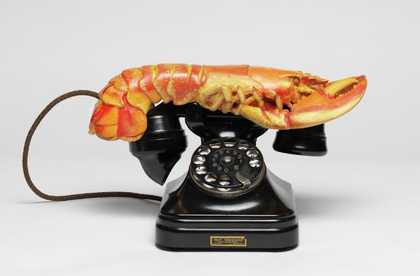
Salvador Dalí and Robert Zhao Renhui

Salvador Dalí and Robert Zhao Renhui

Through surrealism and speculation, the artworks in this room disrupt our assumptions about the world around us

Go to room

Salvador Dalí, Lobster Telephone 1938. Tate. © Salvador Dali, Gala-Salvador Dali Foundation/DACS, London 2025.

Collage

Collage

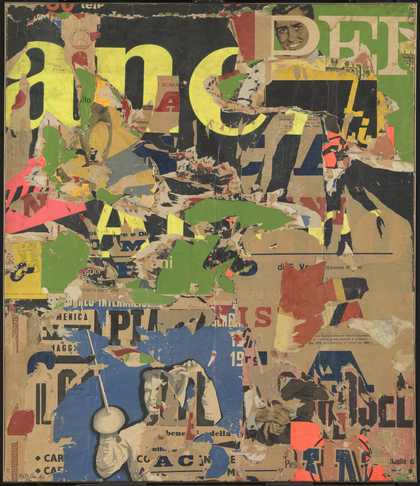
Find out how combining everyday objects and materials became a new technique for twentieth-century artists

Go to room

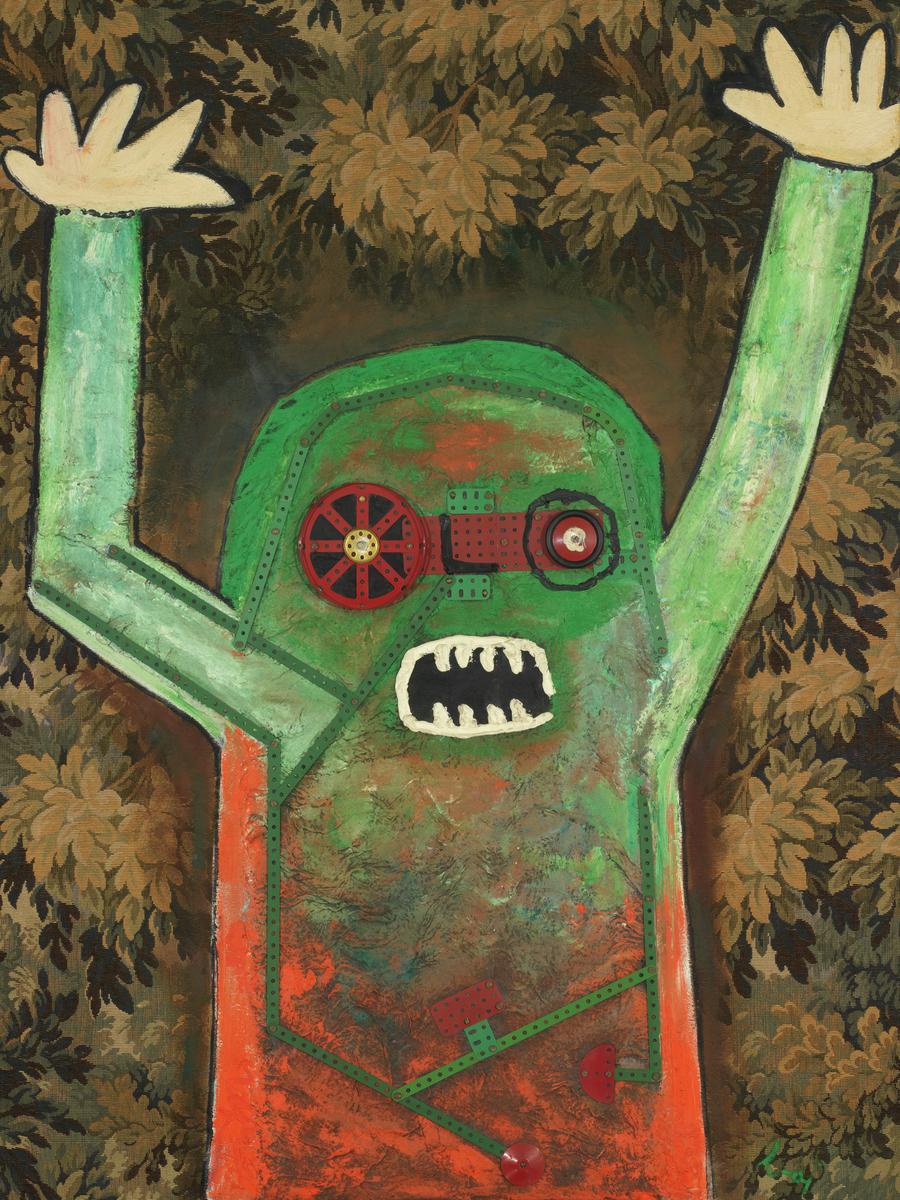
Enrico Baj, Fire! Fire! 1963–4. Tate. © Enrico Baj .

Marcel Duchamp

Marcel Duchamp

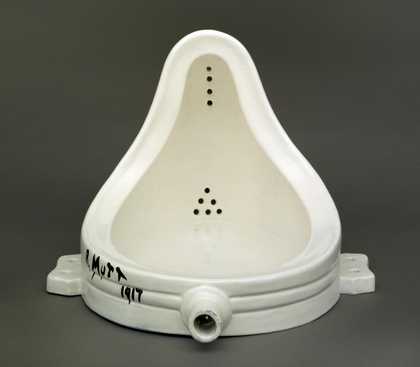
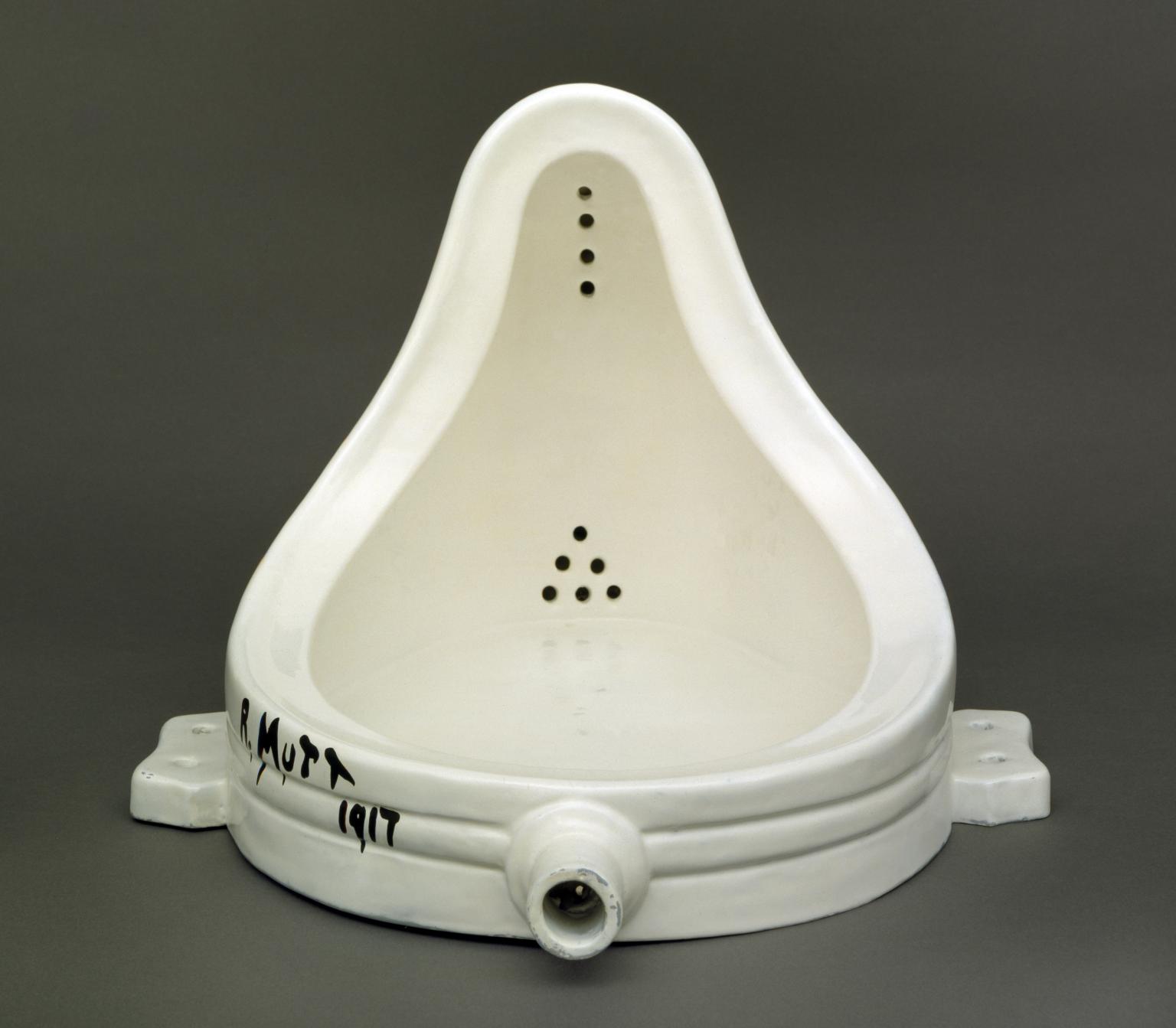
Fountain, Duchamp’s ‘readymade’ sculpture, was one of the most influential artworks of the twentieth century

Go to room

Marcel Duchamp, Fountain 1917, replica 1964. Tate. © Succession Marcel Duchamp/ADAGP, Paris and DACS, London 2025.

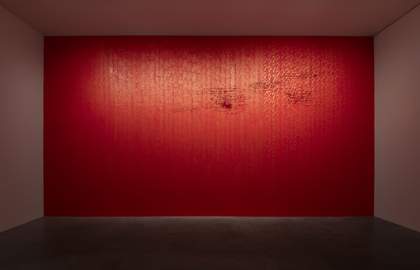
Nalini Malani

Nalini Malani

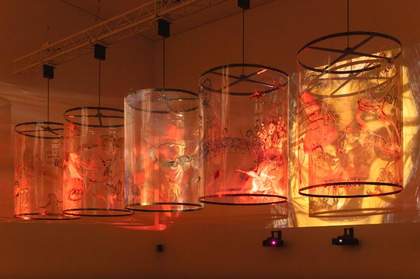
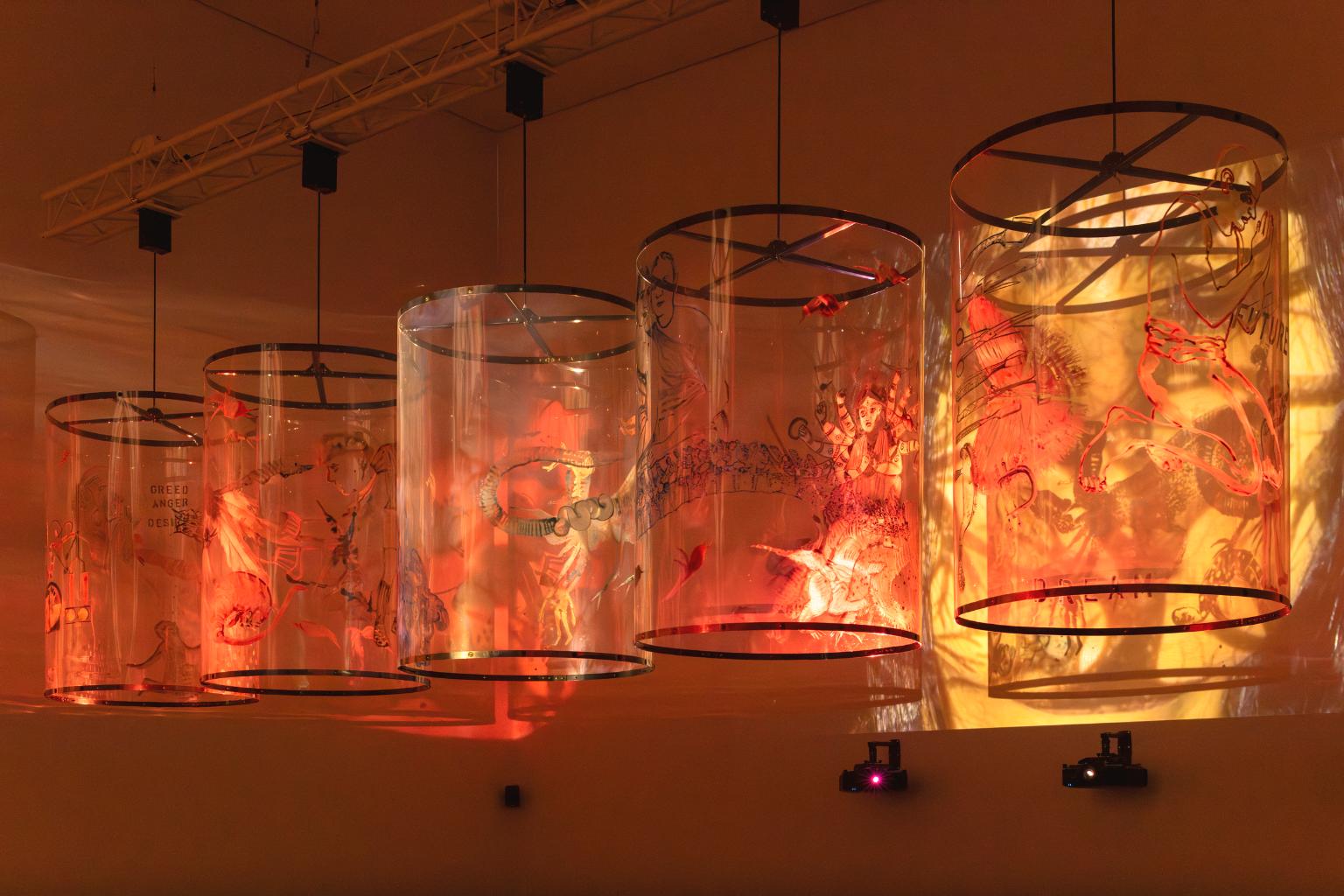
Nalini Malani’s ‘video shadow plays’ combine video, shadow and sound to tell multiple stories. In this work, she creates a tribute to women’s lives forgotten throughout history

Go to room

Nalini Malani, In Search of Vanished Blood 2012–20. Photo © Tate (Joe Humphrys)

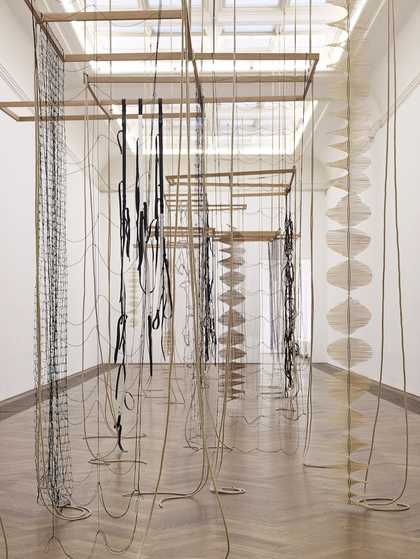
Leonor Antunes

Leonor Antunes

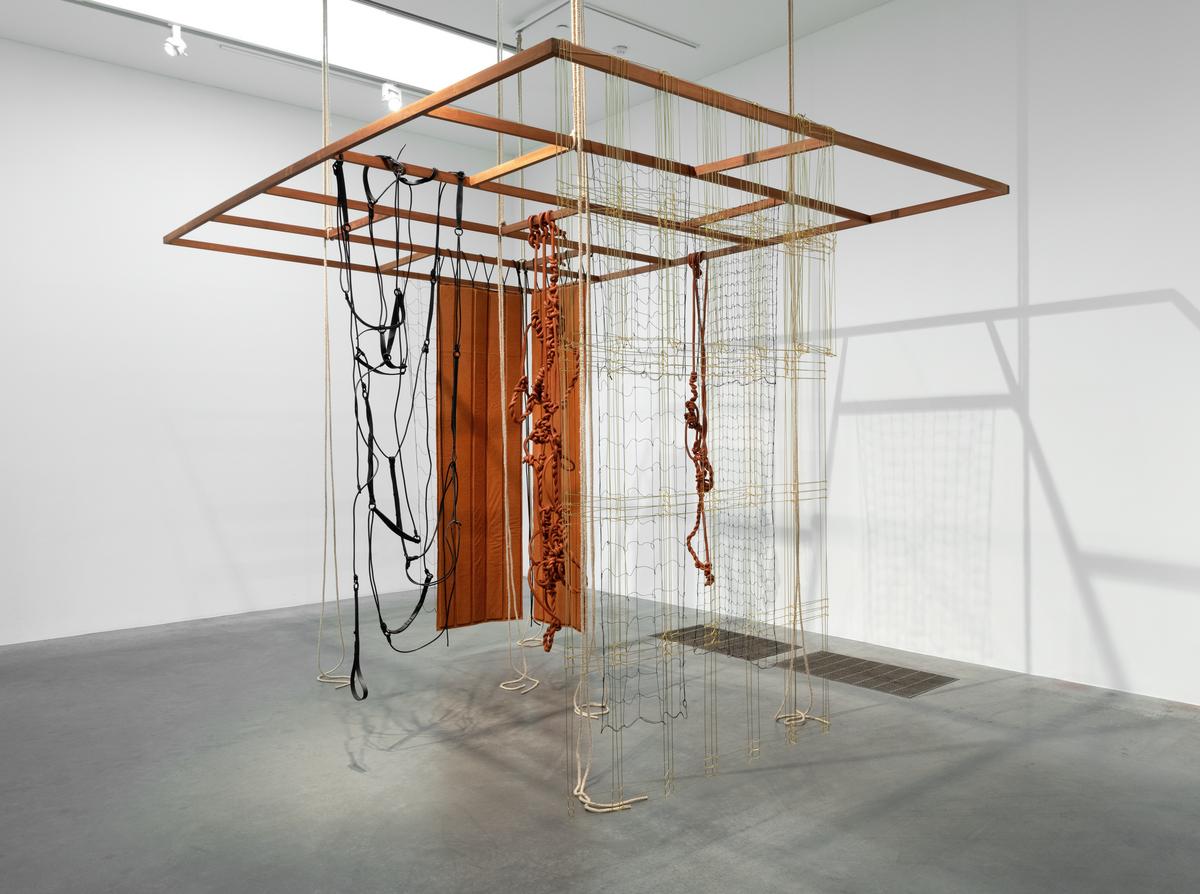
These sculptures bring together traditional crafts and modernist architectural forms, reflecting on how materials can divide and articulate space

Go to room

View of the exhibition Leonor Antunes the last days in Chimalistac at Kunsthalle Basel, 2013 - Courtesy Leonor Antunes and Kunsthalle Basel, photo Nick Ash

View of the exhibition Leonor Antunes: the last days in Chimalistac at Kunsthalle Basel, 2013

Courtesy Leonor Antunes and Kunsthalle Basel, photo: Nick Ash

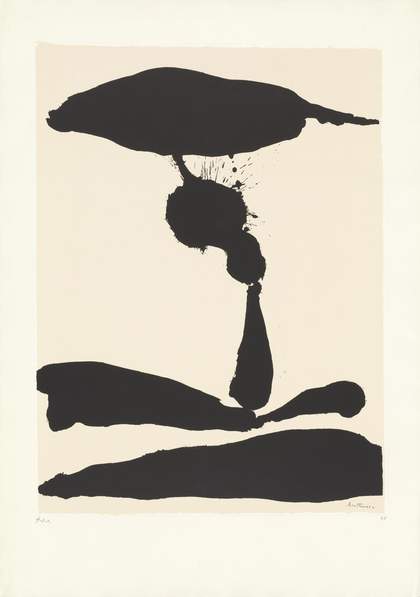
Barbara Chase-Riboud and Robert Motherwell

Barbara Chase-Riboud and Robert Motherwell

The two artists in this room use the colour black and abstract forms to draw attention to how materials can express hidden stories and emotions

Go to room

Robert Motherwell, Africa 3 1970. Tate. © Dedalus Foundation, Inc/VAGA, New York and DACS, London 2025.

Robert Gober

Robert Gober

What societal expectations are represented within the image of the home?

Go to room

Photo © Tate (Matt Greenwood)

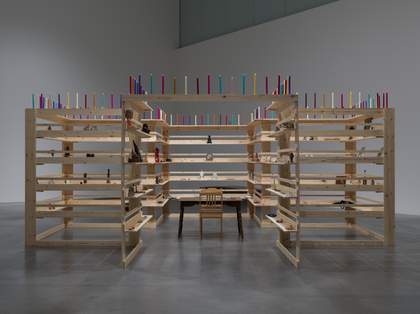
Meschac Gaba

Meschac Gaba

What happens when objects of spiritual and personal significance are displayed in a museum?

Go to room

© Meschac Gaba / Photo © Tate (Jai Monaghan)

David Hammons

David Hammons

In this room, discarded materials are transformed into artworks, playing with cultural assumptions of value

Go to room

David Hammons Untitled (from Fantasy in Flight Series) 1995 Photo © Tate (Oliver Cowling)

Marcel Duchamp, Fountain  1917, replica 1964

Fountain is Duchamp’s most famous work. It is an example of what he called a ‘ready-made’ sculpture. These were made from ordinary manufactured objects. He then presented them as artworks. This invites us to question what makes an object ‘art’? Is this urinal ‘art’ because it is being presented in a gallery? The original 1917 version of this work has been lost. This is one of a small number of copies that Duchamp allowed to be made in 1964. Do you think it makes a difference that it is not Duchamp’s original urinal?

Gallery label, July 2020

1/6
highlights in Materials and Objects
More on this artwork

Enrico Baj, Fire! Fire!  1963–4

Baj’s works were influenced by the absurd humour and unconventional techniques of surrealism and dada. He was also associated with CoBrA, a group of European artists who adopted a highly expressionist painting style inspired by children’s art. In the mid-1950s Baj started painting caricatured figures on found fabrics, adding details made from collaged objects. In Fire! Fire! pieces of Meccano construction toys form a figure, while the leaves on the woven fabric are suggestive of flames. Other works of this period poke fun at ideas of power and authority, such as Baj’s portraits of military officers ‘decorated’ with real medals.

Gallery label, November 2021

2/6
highlights in Materials and Objects
More on this artwork

Leonor Antunes, discrepancies with T.P. (II) – random intersections #29 – Lena #8.1  2012–23

3/6
highlights in Materials and Objects
More on this artwork

Nalini Malani, In Search of Vanished Blood  2012–20

4/6
highlights in Materials and Objects
More on this artwork

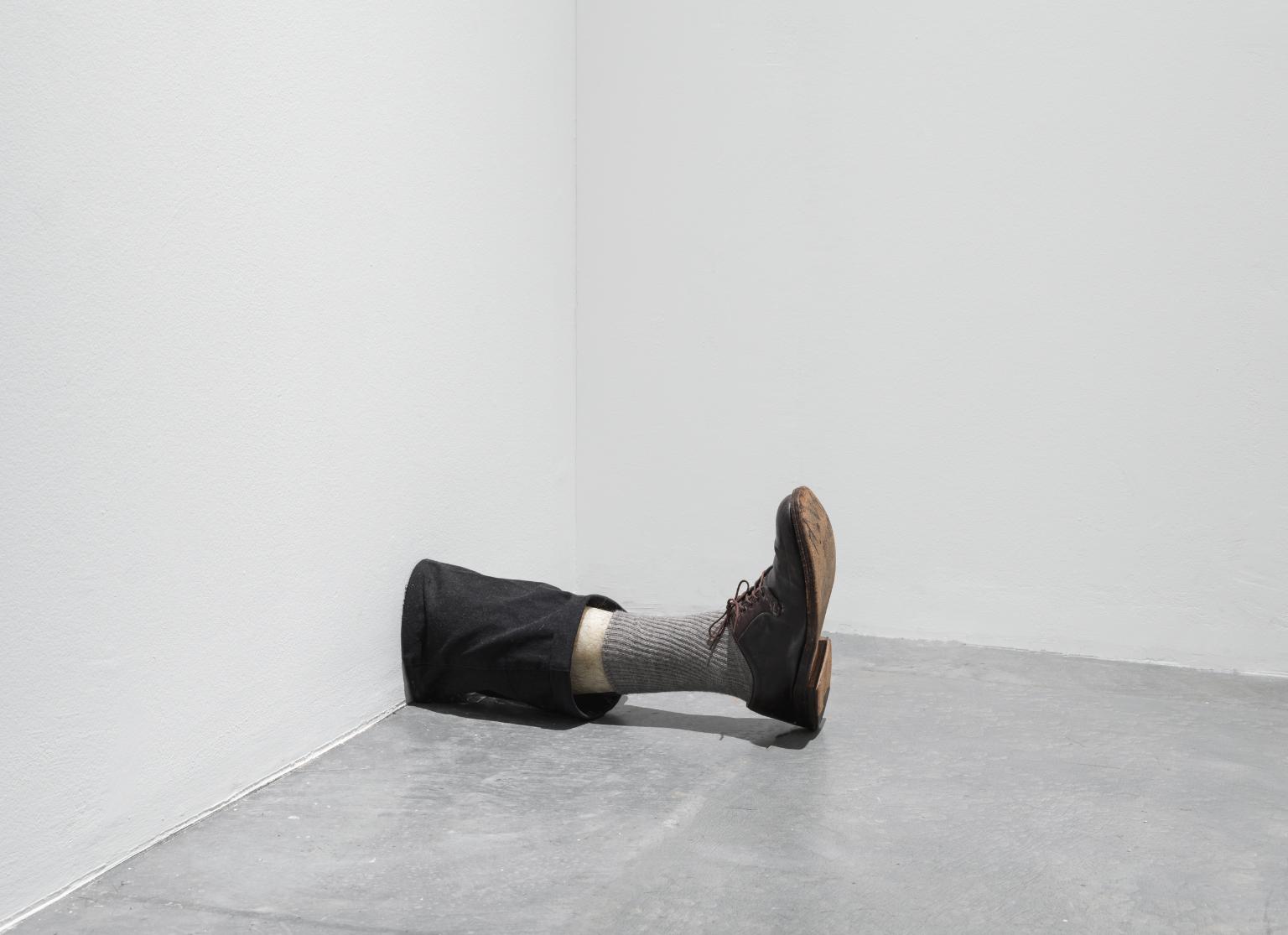
Robert Gober, Untitled  1989–92

This is one of about ten leg sculptures Gober made in a two-year period. They were inspired by two formative experiences – a story his mother, who had been a nurse, told young Gober about being handed an amputated leg in the operating theatre. The second was as an adult, seeing a sliver of bare skin exposed by a fellow passenger crossing their legs on a flight. The artist said of his making process: ‘The hair on the leg is human and purchased from a wig supplier. The leg is a bleached beeswax cast of my lower leg. The hairs are implanted into the warmed-up beeswax, one by one, with a tool we crafted through trial and error in the studio.

Gallery label, August 2024

5/6
highlights in Materials and Objects
More on this artwork

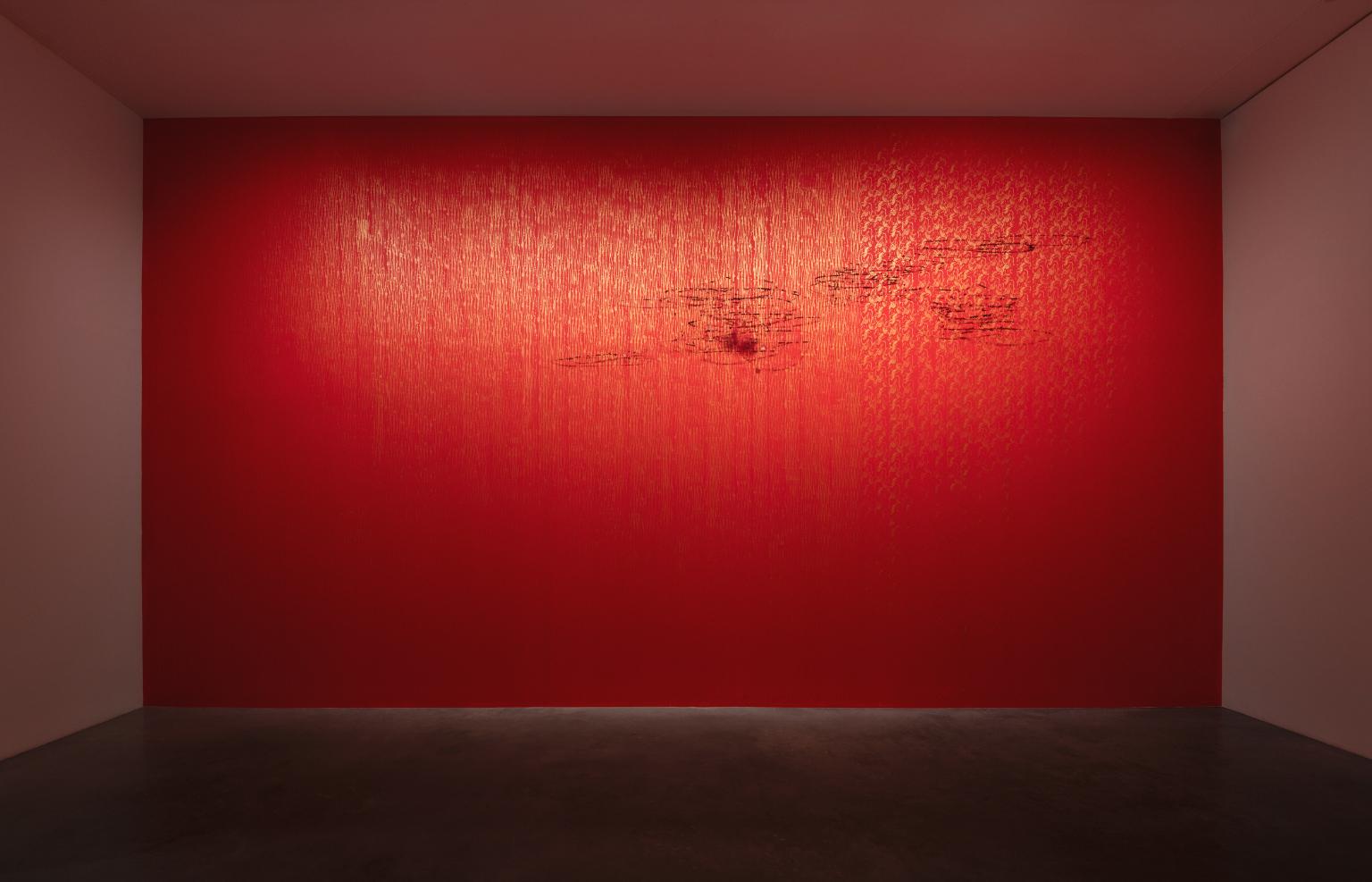
David Hammons, Untitled from Flight Fantasy series  1995

An earlier iteration of this piece was made for A Gathering of the Tribes – a New York salon, gallery and performance space based in the East Village tenement home belonging to Hammons’ friend, the poet Steve Cannon (1935–2019). In the late 1990s and early 2000s the success of the East Village arts scene led to rising property prices and the gentrification of the neighbourhood. In 2014, Cannon was forced to leave his building. As a result, the wall on which the original artwork was created became subject to a planning dispute, prompting a debate about cultural heritage, value and what constitutes an artwork.

Gallery label, August 2024

6/6
highlights in Materials and Objects

More on this artwork

Highlights

T07573: Fountain
Marcel Duchamp Fountain 1917, replica 1964
T01777: Fire! Fire!
Enrico Baj Fire! Fire! 1963–4
T14974: discrepancies with T.P. (II) – random intersections #29 – Lena #8.1
Leonor Antunes discrepancies with T.P. (II) – random intersections #29 – Lena #8.1 2012–23
T15837: In Search of Vanished Blood
Nalini Malani In Search of Vanished Blood 2012–20
T06658: Untitled
Robert Gober Untitled 1989–92
T16105: Untitled from Flight Fantasy series
David Hammons Untitled from Flight Fantasy series 1995

You've viewed 4/6 highlights

You've viewed 6/6 highlights

See all 36 artworks in Materials and Objects

We recommend

  • Kids Explore Materials

    What is art made of? Explore with the Tate Kids Media Team

Art Fund Museum of the Year 2017

Artwork
Close

Join in

  • Twitter
  • Facebook
  • YouTube
  • Instagram
  • Pinterest
Sign up to emails

Sign up to emails

This site is protected by reCAPTCHA and the Google Privacy Policy and Terms of Service apply.

Tate’s privacy policy

About

  • About us
  • Our collection
  • Terms and copyright
  • Governance
  • Picture library
  • ARTIST ROOMS
  • Tate Kids

Support

  • Tate Collective
  • Members
  • Patrons
  • Donate
  • Corporate
  • My account
  • Press
  • Jobs
  • Accessibility
  • Privacy
  • Cookies
  • Contact
© The Board of Trustees of the Tate Gallery, 2025
All rights reserved